
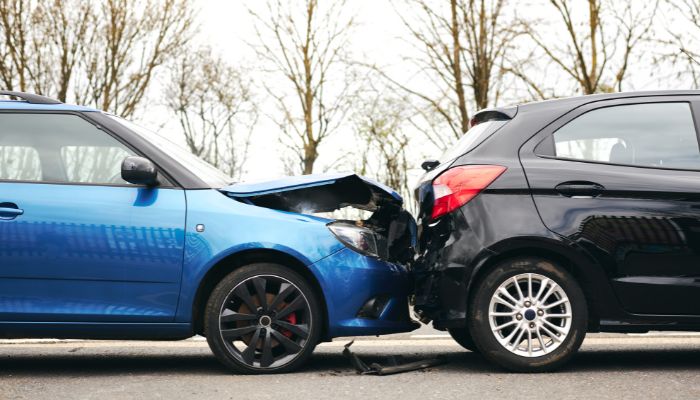
Auto insurance exists to protect you from major financial loss after accidents, injuries, or property damage. According to the Insurance Information Institute, medical bills and vehicle repairs can quickly exceed state minimum requirements.
Your ideal coverage depends on:
- Your vehicle’s value
- Your income and savings
- Your driving habits
- Local accident risks
Having only the minimum may save money upfront but could cost thousands later.
Understanding the Core Types of Auto Insurance Coverage
Liability Coverage (The Legal Minimum in Most States)
Liability insurance pays for:
- Injuries to others
- Damage to other vehicles or property
Most states require this coverage, but minimum limits are often too low to cover serious accidents.
Smart tip: Consider limits that at least match your total assets to avoid lawsuits.
Collision Coverage
Collision insurance pays to repair or replace your car after an accident — regardless of fault.
This is especially important if:
- Your car is newer or financed
- Repairs would strain your budget
If your vehicle’s value is low, you may choose to skip it.
Comprehensive Coverage
Comprehensive protects against non-accident damage, such as:
- Theft
- Vandalism
- Fire
- Storm damage
It’s ideal for drivers in areas prone to extreme weather or high theft rates.
How Much Liability Coverage Is Usually Recommended?
While minimums vary by state, many financial experts suggest:
- $100,000 per person for injuries
- $300,000 per accident total
- $100,000 for property damage
The National Association of Insurance Commissioners recommends higher limits for better financial security, especially for homeowners or high-income earners.
Factors That Influence How Much Auto Insurance You Need
1. Your Financial Situation
The more assets you have, the more liability coverage you should carry to protect them.
2. Your Vehicle’s Worth
Expensive or newer vehicles benefit from both collision and comprehensive coverage.
3. Your Driving Environment
Urban traffic, long commutes, and severe weather increase accident risks.
4. Your Health Coverage
If you lack strong health insurance, higher medical-related auto coverage can be helpful.
Is Minimum Coverage Ever Enough?
Minimum coverage may work if:
- Your car has very low value
- You have minimal assets
- You can afford to replace your vehicle yourself
However, even a moderate accident can exceed minimum limits, leaving you responsible for remaining costs.
Optional Coverages That Add Extra Protection
Consider adding:
- Uninsured/Underinsured Motorist Coverage – protects you if the other driver lacks insurance
- Personal Injury Protection (PIP) – helps with medical expenses and lost wages
- Roadside Assistance – covers breakdowns and towing
These options provide valuable peace of mind at relatively low cost.
How to Choose the Right Coverage Amount
Ask yourself:
- Could I afford a major lawsuit or hospital bill?
- Would replacing my car financially hurt me?
- Do I drive frequently or in high-traffic areas?
If the answer is yes, higher coverage limits are usually worth it.
Final Thoughts
Deciding how much auto insurance you need isn’t about buying the cheapest policy — it’s about protecting your financial future. Strong liability limits, combined with the right physical damage coverage, can shield you from unexpected disasters.
While state minimums meet legal requirements, higher coverage levels often provide the real-world protection most drivers need. Taking time to assess your risks now can save you from serious financial stress later.